Dry Cylinders, Sticky Spools: Tracing Pneumatic Lubrication Faults

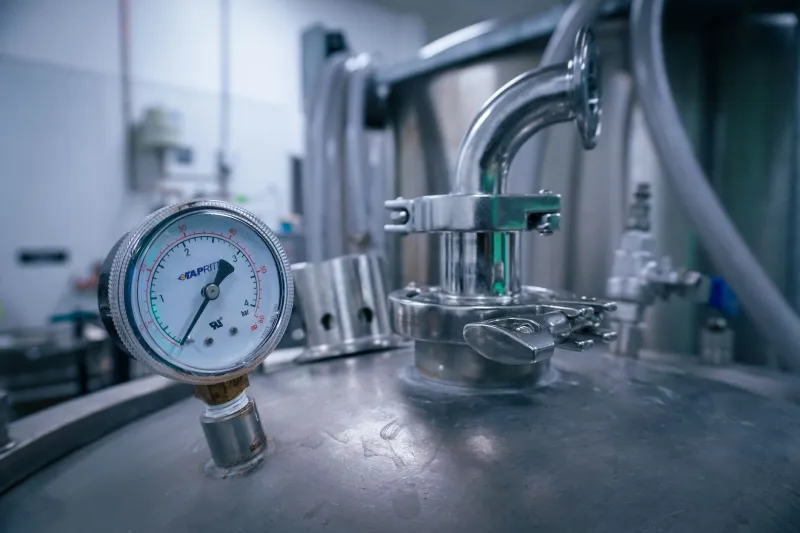
Photo by Photo by Guille B on Unsplash on Unsplash
A pneumatic mist lubricator is easy to fit and equally easy to ignore. Once the bowl has been filled and the needle valve set, the unit can disappear into the routine of a busy plant. Months later, a cylinder runs dry, exhausts a visible oil mist or a valve spool begins to stick. The component downstream takes the blame, yet the cause often sits upstream in the air preparation arrangement.
The UK climate adds a complication. Compressed air systems in damp buildings, unheated stores and outdoor enclosures can carry more moisture than operators expect. Moisture and lubricating oil do not mix neatly. They can form an emulsion, encourage varnish and make a lubricator behave unpredictably. Diagnosis therefore needs to start with air quality and work downstream, not with a random adjustment of the oil drip rate.
What a mist lubricator can and cannot do
A mist lubricator injects oil aerosol into the downstream air stream. It is intended for components that require external lubrication, typically older or specifically rated cylinders, valves and tools. It does not repair dirty air, and it does not replace a filter. Nor is it a universal fit. Many modern pneumatic cylinders are factory-lubricated for life and are designed to run on clean, dry, non-lubricated air. Adding oil to such a system can swell seals, attract debris and create sticky deposits.
This is why the first diagnostic question is not how much oil is in the bowl. It is whether the system was designed to be lubricated at all. The manufacturer's documentation should decide that point. If the answer is unclear, do not use oil as a trial remedy.
Begin with air quality, not the oil bowl
Check the compressor and dryer first. Is the dryer working, and is the dew point appropriate for the site? In a damp UK plant, a failed dryer or a saturated desiccant can send water downstream even when the receiver drain is being opened. Look at filter bowls for free water, emulsion or sludge. A coalescing filter that is saturated or overdue for replacement allows oil and water aerosols to pass.
Use ISO 8573-1 as a common language for air quality, but do not rely on a single spot check. Sample at a representative point near the FRL unit and again downstream if symptoms persist. If water is present in the lubricator bowl, stop adjusting the lubricator. Correct the air quality first. Oil contaminated with water will not lubricate reliably, and it can create the very spool deposits that operators blame on the valve.
Symptom: dry cylinders and premature seal wear
A dry cylinder may be correctly dry. If the cylinder is rated for non-lubricated air, the absence of oil is not the fault. Check for seal wear caused by heat, misalignment, side loading or particulate contamination. A dry rod seal can also be a sign that the lubricator is not delivering oil when it should.
To test delivery, confirm that air is flowing through the lubricator during operation. Many mist lubricators need a minimum flow to generate a mist; a unit fitted to a low-demand branch may never work properly. Check the needle valve setting, bowl oil level and oil grade. A thick oil in a cold plant may not atomise well. Confirm that the lubricator is installed in the correct direction and that the bowl is not overfilled. If the unit has a bypass, make sure it is not left open.
Symptom: oil carryover and smoky exhaust
Excess oil is not a harmless sign of generous lubrication. It can foul silencers, contaminate products and wash lubricant from valve spools. Check whether the drip rate has been increased to compensate for a perceived dryness. Verify the recommended setting against the manufacturer's instructions, then look for a failed needle valve, a damaged bowl or an incorrect oil viscosity.
Oil carryover can also come from upstream. A failing compressor separator or a saturated coalescing filter may be passing oil that has nothing to do with the lubricator. If the oil in the lubricator bowl looks different from the oil reaching the exhaust, trace the source before changing settings.
Symptom: sticky valve spools and mystery oil
Sticky spools are often a contamination problem rather than a lubrication problem. Water, particulate and oxidised oil can form varnish on spool lands. In damp conditions, a small amount of water in the air line can be enough to start the process. Mystery oil in a bowl may be compressor oil carried downstream, incompatible oil from a previous top-up, or emulsion created by moisture.
Drain and clean the FRL unit, replace filter elements and check oil compatibility. Do not mix brands or grades unless the manufacturer confirms compatibility. If the system has been over-lubricated for a long period, the downstream pipework may hold a reservoir of oil that will continue to cause problems after the lubricator is corrected.
A practical diagnostic sequence
First, isolate the branch and confirm the system's lubrication requirement. Second, test air quality and remove water or oil contamination at source. Third, inspect the FRL unit for correct assembly, filter condition and bowl contamination. Fourth, verify lubricator operation under real flow, not just at the bench. Fifth, check oil grade, compatibility and setting. Sixth, inspect downstream valves and cylinders for varnish, seal damage and debris.
Only after those steps should the lubricator setting be changed. Adjusting the drip rate to compensate for dirty air or a failed filter usually moves the problem rather than solving it.
When non-lubricated air is the better answer
For many modern pneumatic systems, clean, dry, non-lubricated air is the specified solution. It avoids oil carryover, reduces maintenance in product-sensitive areas and removes a variable that is hard to control. If a lubricated system is converted, the pipework and valves should be cleaned or replaced as recommended, and the change should be confirmed with the component manufacturers.
Mist lubricators have a place, but they are not a universal cure. In a UK plant where damp air and forgotten FRL units are common, the most reliable approach is to treat lubrication as part of air quality management. Diagnose upstream first, set the lubricator only when the system truly needs it, and record the decision so the next maintenance team does not inherit a mystery.