The Dryer's Winter Reckoning: Dew-Point Checks Before the First Frost
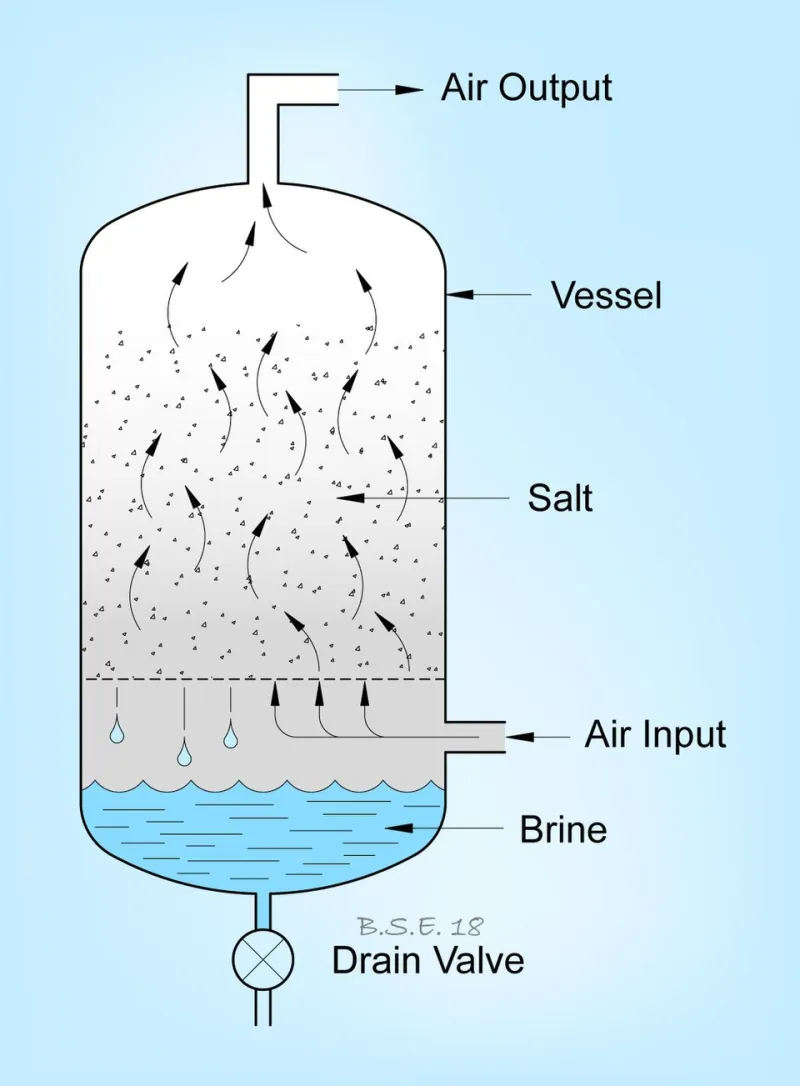
Photo: Brian S. Elliott, CC BY-SA 4.0, via Wikimedia Commons
Compressed-air dryers tend to be judged by a panel light and an annual service sticker. That is rarely enough in a UK winter. In an unheated or intermittently heated plant room, the dryer may be working harder than its display suggests, while drains, filters and sensors are already compromised. The first frost does not create the problem; it reveals it. A pre-winter audit in November 2026 is therefore less about preparing for cold weather than about confirming that the dryer is fit to meet it.
Why UK winters expose dryer assumptions
UK intake air is often damp for much of the year, and a compressor does not remove that moisture; it concentrates it. A refrigerated dryer then cools the compressed air to condense water, while a desiccant dryer adsorbs moisture to achieve a much lower pressure dew point. Both depend on ancillary equipment that is easily overlooked: drains, filters, sensors and the plant room itself. From a print works in the Midlands to a packaging line in the North East, the failure pattern is similar. A dryer passes a quick glance, but a blocked drain or saturated coalescer allows condensate or oil to travel downstream. The result is not only wet air at the point of use; it is corrosion, frozen pilot lines, contaminated tools and product rejects.
Verify the dew-point reading before trusting the dryer
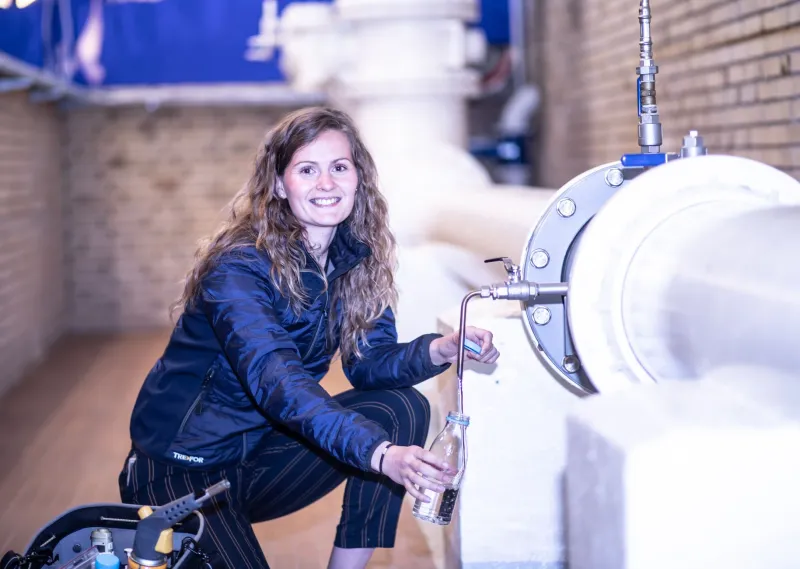
Start with the instrument, not the refrigeration circuit. Fixed dew-point sensors drift, and a panel that has shown a steady green indication for months may be reporting the sensor rather than the air. Check the calibration record, the sensor location and the unit of measurement. A specification may state pressure dew point, while a display is configured for atmospheric dew point, or vice versa; the two are not interchangeable. Use a portable hygrometer with a conditioned sample line and compare it with the installed sensor at the same tapping point and pressure. If the portable reading and the panel disagree, investigate the sample system before adjusting the dryer. Leaking sample lines, wet filters and unheated sensor enclosures can all produce a plausible but false number. Record the result, the ambient temperature and the dryer load at the time.
Drains are the first winter casualty
A dryer that separates water must remove it. Test every drain trap by cycling it and observing discharge. Timer drains should be set to clear condensate without excessive air loss; level-operated and zero-loss drains should open and close cleanly. Look for emulsion, sludge and corrosion products, and check whether drain lines are insulated or heat-traced where they pass through cold areas. A line that runs outside, or across an unheated loading bay, is a freeze risk. Desiccant dryers also have pre-filter and after-filter drains that are easily forgotten. A frozen drain is not a minor nuisance; it can back water into the dryer and carry it forward in a slug.
Filters and separators: loading before the cold
Coalescing filters protect the dryer and the downstream system, but they load with oil and water. Check differential pressure indicators and replace elements on measured pressure drop, not solely on the calendar. A heavily loaded filter raises pressure drop and can release oil carryover into desiccant beds, where it reduces capacity and may require premature replacement. Inspect filter bowls for cracking and ensure automatic drains are working. In cold weather, a bowl that has frozen is at risk of cracking when pressure returns. Keep spare elements for the sizes fitted, and label replacement dates.
Refrigerated dryers: low ambient is not automatically good
A refrigerated dryer is often assumed to benefit from a cold plant room. In practice, low ambient can upset condensation pressure and evaporator control. Check that any low-ambient kit, such as condenser fan cycling or pressure control, is operational. Confirm the evaporator outlet temperature and the pressure dew point against the manufacturer's data. Ensure the dryer is not exposed to a direct cold draught from an open door or louvre, and that its condensate drain has not become the coldest point in the system. If the plant room is unheated, discuss with the supplier whether a low-ambient package or a heated enclosure is required.
Desiccant dryers: purge and valves need attention
Desiccant dryers can deliver very low dew points, but they depend on stable purge flow, effective switching valves and clean inlet air. Check the purge flow meter and the dew point at the outlet; do not reduce purge to save energy without confirming that the required dew point is still met. Listen and look for icing at exhaust silencers and check valve operation through a full cycle. Cold purge air is not inherently a problem, but moisture in instrument lines and valve actuators can freeze. Confirm that the inlet temperature is within the dryer's design range and that the aftercooler and separator are doing their job.
Build a pre-winter record, not a one-off glance
A short logging campaign gives a baseline for the months ahead. Record pressure dew point, filter differential pressure, drain cycle behaviour, inlet and outlet temperatures, and ambient temperature over several days. Compare the results with the dryer's design duty and with ISO 8573-1 purity targets where these are specified. The record does not need to be elaborate; a clipboard and a portable instrument are enough. What matters is that the evidence is taken before the first cold snap, when the plant is still under normal load and the faults are easier to see.
A practical pre-winter checklist
- Verify the installed dew-point sensor against a portable instrument and confirm the unit and pressure basis.
- Cycle every drain trap and confirm free discharge; insulate or heat-trace exposed drain lines.
- Check coalescing and particulate filter differential pressures and replace loaded elements.
- Confirm low-ambient controls, fan cycling and crankcase heaters are working on refrigerated dryers.
- Check desiccant purge flow, switching valves and exhaust silencers for icing or sticking.
- Inspect the plant room for cold draughts, water ingress and blocked ventilation.
- Record ambient and dew-point data to establish a winter baseline.
The first frost is a poor time to discover that the dryer's panel has been lying. An audit now, while the plant is accessible and the weather is merely damp rather than freezing, is the cheaper option. The aim is not to chase a perfect dew point for its own sake, but to ensure that the air leaving the dryer is fit for the tools, valves and processes that depend on it.