Cold Starts and False Alarms: Auditing Hydraulic Filter Bypass Indicators in UK Power Units
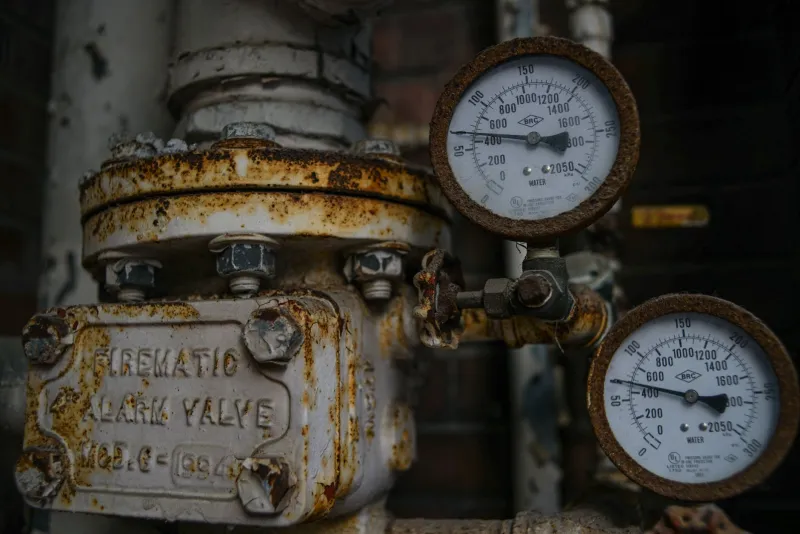
On many UK hydraulic power units, the filter bypass indicator is treated as a binary device: if the tell-tale has popped, the element is changed; if it has not, the filter is assumed to be serviceable. That shortcut is convenient, but it is not a reliability method. A bypass indicator responds to differential pressure across the filter housing, and differential pressure is affected by oil temperature, viscosity, flow rate and the condition of the sensing passage. In a damp workshop during a cold snap, those variables can easily produce a misleading signal.
The practical response is not to ignore the indicator, but to audit it. The aim is to establish whether a displayed bypass condition reflects a genuinely loaded element or a false alarm caused by cold starts, sluggish oil or a blocked indicator port. The routine below is intended for maintenance teams who want a defensible answer before they strip a filter housing or postpone a change.
The indicator is a pressure device, not a filter gauge
Most hydraulic filter bypass indicators are simple differential-pressure switches. Some use a visual pop-up pin; others provide an electrical contact for a control system. They are set to operate at a specified differential pressure, often a few bar, and they do not measure the absolute contamination level of the element. A clean element can produce a high differential pressure if the oil is cold and viscous, particularly during the first minutes after a winter start-up. A loaded element can produce a modest differential pressure if the machine is running at low flow or if the oil is warm and thin.
That distinction matters in UK plants where ambient temperatures can fall sharply overnight and where power units are often started from cold. A latching indicator may remain in the alarm position after the oil has warmed, leaving the maintenance team with a persistent tell-tale that no longer reflects the running condition. A non-latching indicator may reset and hide the fact that the element was heavily loaded during the cold-start period. Neither behaviour is a substitute for measurement.
Cold oil and blocked sensing passages
Cold-start false alarms are common because hydraulic oil viscosity rises steeply as temperature falls. An ISO VG 46 mineral oil at 10 °C is significantly more viscous than the same oil at 40 °C, and the pressure drop across a filter element rises with viscosity. If the indicator set point is close to the clean-element pressure drop at normal running temperature, a cold start can push the differential above the trip point even though the element is clean.
The opposite failure is equally important. The small passage that connects the filter housing to the indicator can become blocked with sludge, seal debris or oxidised oil. When that happens, the indicator may never see the true differential pressure. A blocked sensing port can therefore suppress a genuine bypass warning, leaving a loaded element in service until the bypass valve opens and unfiltered oil passes downstream. On older power units, damaged or softened sense lines can also give a delayed or damped response.
Differential pressure is the number to trust
The reliable way to audit a bypass indicator is to measure differential pressure directly across the filter housing with a calibrated gauge. The reading should be taken at a known oil temperature and, where possible, at a known flow rate. Compare the result with the filter manufacturer's clean-element pressure-drop curve and with the indicator set point. If the measured differential at normal operating temperature is well below the trip point, the indicator is probably giving a false alarm. If it is above the expected clean-element value, the element is loaded or the flow is higher than assumed.
A useful workshop record includes the oil temperature, pump mode, flow estimate, gauge identification and the indicator condition before and after the test. That record turns a subjective judgement into a trend that can be compared across machines and seasons. It also helps distinguish a cold-start artefact from a genuine contamination event.
A practical workshop audit routine
-
Isolate the power unit and lock off the drive. Confirm that the differential gauge reads zero before fitting it to the test points.
-
Identify the indicator type and its specified set point from the filter housing data or the machine manual. Note whether it latches or resets automatically.
-
Inspect the sensing passage and any flexible sense line for blockage, kinks or softened hose. Remove and clean the port if contamination is present, then refit it correctly.
-
Fit a calibrated differential-pressure gauge across the filter housing test points. Run the unit to normal operating temperature and record the differential at steady flow.
-
Where safe and practical, observe the differential during the first minutes of a cold start. Record whether the indicator trips and whether it resets as the oil warms. Do not use this step to justify repeated cold starts on a loaded element.
-
Check the electrical indicator circuit, where fitted, for continuity and correct alarm logic. A faulty contact can produce a false alarm just as easily as a blocked port can suppress a real one.
-
If the measured differential at normal temperature is below the trip point and the sensing passage is clear, treat the indicator as suspect. Replace or recalibrate it, and record the decision.
-
If the differential is genuinely high at normal temperature, change the element and investigate the contamination source. Do not simply reset the indicator and return the machine to service.
When the tell-tale is right
A bypass indicator that operates correctly is a useful early warning, but it is only one data point. It should be read alongside oil temperature, filter differential pressure, particle counts and the machine's operating history. In the run-up to winter 2026/27, maintenance teams in damp or unheated buildings should pay particular attention to cold-start behaviour and to the condition of indicator sense lines. A tell-tale that has popped may be telling the truth, or it may be complaining about the weather. The audit routine above is intended to tell the difference before a filter change is ordered or a warning is dismissed.