Chafe, Kink, Repeat: A Walkaround Method for Hydraulic Hose Routes

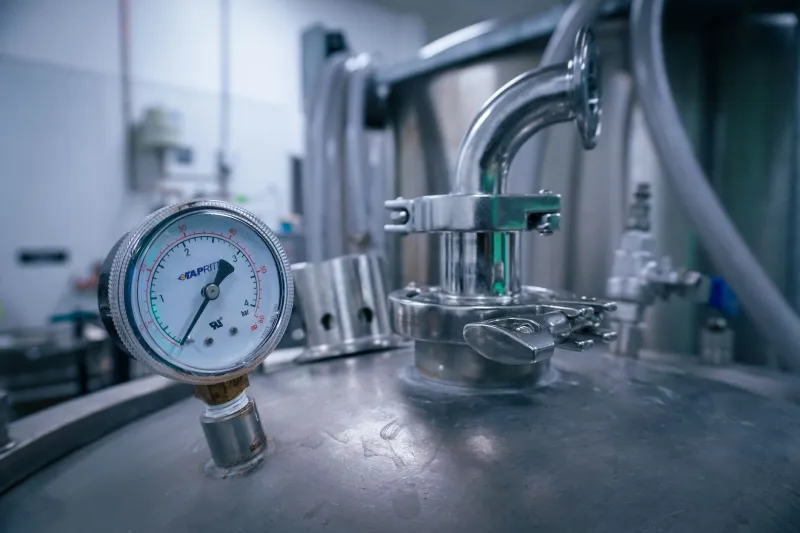
Photo: hydraulic hose chafe inspection industrial maintenance engineer UK, via pbs.twimg.com
Hydraulic hose failures are often put down to age, but a surprising number begin with the route rather than the rubber. A pressure line that rubs against a frame, sits below its minimum bend radius or hangs unsupported from a fitting will fail long before its nominal service life. The difficulty is that these defects are easy to see once someone is looking for them and easy to miss when the plant is running and attention is on the machine cycle.
A short, structured walkaround closes that gap. The aim is not to replace planned hose replacement or a formal inspection regime. It is to catch route defects early, while they are still cheap to correct and before they become a call-out.
Why the route matters more than the hose
A hose is a flexible connector, not a structural member. It should carry fluid, accommodate defined movement and remain clear of hot surfaces, sharp edges and other equipment. When it is forced to do more, the failure mode changes. Abrasion removes the cover and eventually the reinforcement. A tight bend concentrates stress at the fitting and reduces the pressure rating. Poor clamping allows movement, which works the fitting loose and can cause weave fatigue. Heat hardens the cover and accelerates ageing.
The result is often a leak at a fitting or a burst in a line that was replaced only months earlier. Replacing the hose without correcting the route simply restarts the clock.
The five-minute route check
Choose a representative route, not the whole plant. Start at the power unit and follow the pressure line to the actuator, then check the return and case-drain routes. Use a torch, a mirror for blind spots and gloves. With the machine isolated and pressure released, check for movement by hand where it is safe to do so; then observe the route briefly at low pressure or during a controlled cycle if your risk assessment permits it.
Score each item from 0 to 3. A score of 0 is good, 1 is a minor watch item, 2 is a defect to plan, and 3 is a defect that needs immediate attention.
- Abrasion and contact: 0 no contact; 1 light polish on the cover; 2 visible rub mark or cover damage; 3 exposed reinforcement or a cut.
- Bend radius: 0 generous bend; 1 close to the minimum; 2 below the recommended radius; 3 collapsed or kinked at the bend.
- Clamping and support: 0 secure and correctly spaced; 1 one loose clamp; 2 unsupported length or wide clamp gaps; 3 hose weight hanging on the fitting.
- Heat exposure: 0 ambient conditions; 1 warm surface nearby; 2 sustained radiant heat; 3 contact with a hot surface or proximity to a hot manifold.
- Fitting condition: 0 dry and clean; 1 slight dampness; 2 visible weep or corrosion; 3 active leak or damaged fitting.
- Movement under pressure: 0 restrained; 1 slight movement; 2 noticeable movement or pulse; 3 whipping or hard contact with structure.
Total the scores. A route scoring 6 or more should be planned for correction. Any single score of 3 should be treated as a stop-and-review item, particularly where reinforcement is exposed or a fitting is leaking. A score of 3 to 5 is a watch item: record it, photograph it and revisit it at the next planned maintenance window.
Reading the score
The score is a prioritisation tool, not a substitute for engineering judgement. A route with a low total but one exposed wire is more urgent than a route with several minor polish marks. Record the route identifier, the date, the score, the defect location and a photograph. That record makes it harder for a known chafe point to disappear between shifts and easier to justify a reroute rather than another hose replacement.
In practice, most defects fall into a small number of categories: a hose touching a frame near a clamp, a bend radius tightened to clear a guard, a clamp missing after a component was removed, or a line routed too close to a hot manifold. These are not exotic failures. They are route design and maintenance issues.
Case study: the repeat call-out that stopped repeating
A food-processing plant in South Wales had replaced the same pressure line three times in less than a year. Each replacement was a good-quality hose, correctly crimped, and each time the line failed near the same clamp position. Maintenance assumed the hose batch was at fault.
A route audit told a different story. The hose was clamped to a frame but passed within a few millimetres of a hot manifold. Under pressure, the line moved slightly and rubbed against the frame edge. The clamp spacing was also too wide, allowing the hose to flex near the fitting. The route scored 9: abrasion 2, bend radius 1, clamping 2, heat 2, fitting condition 1 and movement 1.
The fix was straightforward. The line was rerouted approximately 300 mm clear of the manifold, a new clamp was added to support the bend, and a protective sleeve was fitted at the remaining frame crossing. The plant avoided a fourth call-out and the associated production interruption. The maintenance team added the route to its weekly walkaround list, with a photograph of the corrected routing kept on file.
Making the method stick
A route audit works best when it is short and repeatable. Build a route list, give each hose route an identifier and assign ownership. Check the highest-risk routes weekly and the remainder monthly. Keep the scored checklist with the machine history so that a new defect can be compared with the last inspection.
The five-minute check will not catch every failure mode, and it does not replace pressure testing, hose age records or a planned replacement policy. It does, however, catch the common route defects that turn a serviceable hose into a repeat maintenance problem. In a damp UK plant, with limited access and production pressure, that is often the difference between a planned correction and an unplanned stop.