Below Atmospheric: Inlet Vacuum Checks for Hydraulic Pump Aeration
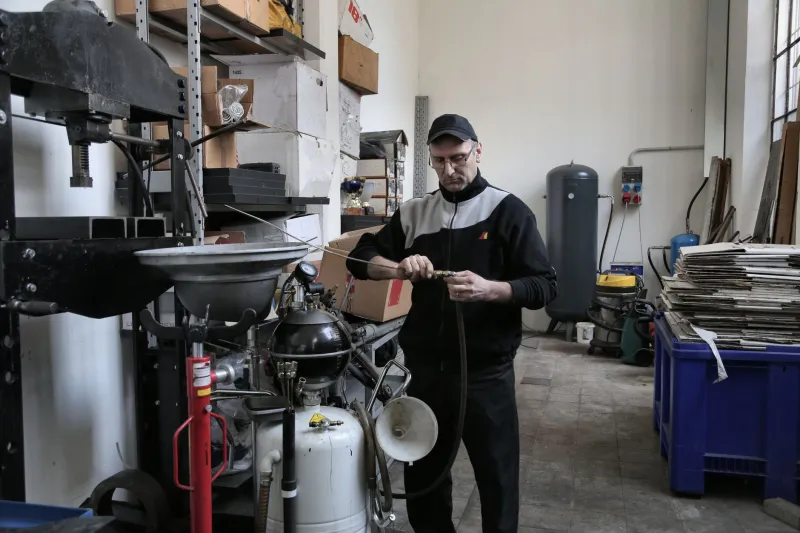
A hydraulic power unit that begins to whine, foam at the sight glass and trip nuisance alarms is often judged guilty before any evidence is heard. In many UK plants the pump is not the culprit. It is simply trying to draw oil through a line that is either restricted or admitting air. A vacuum gauge at the pump inlet is one of the cheapest and most revealing diagnostic tools available, provided the reading is taken in a repeatable way and interpreted against oil temperature and strainer condition.
Why a negative reading matters
A fixed-displacement pump creates flow, not pressure. Upstream of the pump, that flow meets resistance from the suction strainer, pipework, bends, valves and the viscosity of the oil itself. The result is a negative gauge pressure at the inlet. A steady vacuum that exceeds the pump maker’s limit points to restriction. A vacuum that wanders, drops unexpectedly or changes note while the oil foams points towards air ingress. The two faults can coexist, which is why a single spot reading is rarely enough.
On a UK site, the reading must be treated as a trend rather than an absolute verdict. Oil at 10°C in an unheated store will produce a very different vacuum from oil at 45°C in a working system. A strainer that looks clean may still be near its differential-pressure limit. The useful question is not simply what the gauge says, but what it says at the same point, at the same temperature, with the same strainer condition and at the same pump speed.
Setting up a repeatable inlet test
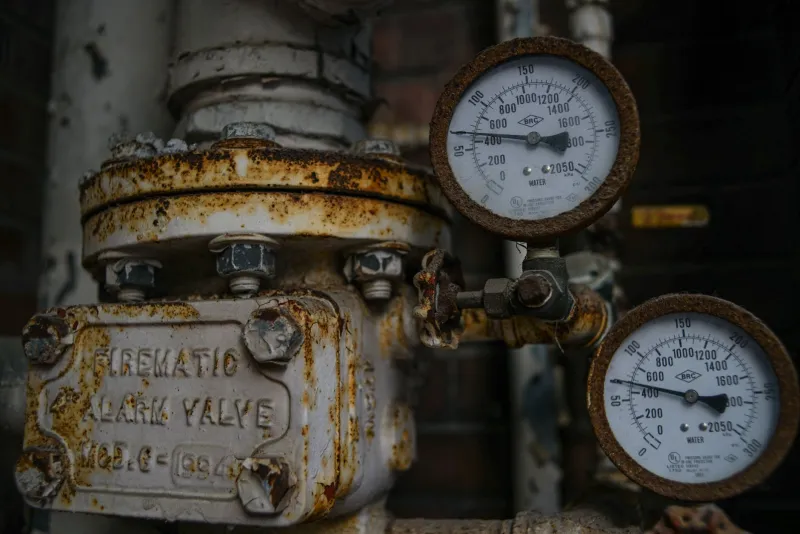
Begin with a risk assessment and isolate the power unit before fitting any test point. Hot oil, rotating shafts and stored pressure all demand proper control. Use a glycerine-filled compound gauge with a range of about 0 to -1 bar and a readable scale; a gauge that only moves in coarse steps will hide the fluctuations that matter. Fit a temporary tee at the pump inlet or use the manufacturer’s designated test port. Keep the gauge hose short and bleed it before taking readings.
Record the oil temperature, reservoir level, pump speed and strainer differential pressure if a gauge is fitted. Take a reading cold, then again at normal operating temperature. Compare the stabilised figure with the pump or power-unit manufacturer’s inlet vacuum limit. Do not treat a cold-oil reading as proof of a blocked strainer until the oil has reached its normal working temperature. In winter, a portable power pack on a loading bay can show a dramatic vacuum simply because the oil is thick.
Reading the signature, not just the number
A high, steady vacuum at operating temperature usually means restriction upstream of the gauge. Check the suction strainer, any isolator that may be partly closed, collapsed hose liners, sharp bends and undersized pipework. A vacuum that rises while temperature and flow are stable deserves attention; debris may be shifting onto the strainer or a hose liner may be collapsing under load.
A fluctuating vacuum accompanied by cavitation noise, foam and erratic actuator movement suggests air is being drawn in. Air ingress often lowers the vacuum rather than raising it, because the pump is handling a mixture rather than liquid oil. The reading may jump as slugs of air pass the gauge. Low oil level, a vortex at the suction outlet, a return line discharging too close to the suction point or a damaged tank gasket can all produce this pattern.
There is also a less obvious case: normal vacuum at idle but a rapid rise at full flow. That can indicate a suction line that is marginal in size or a strainer that is close to its limit. The fault only appears when demand increases, which is why the test should include the operating condition that causes the complaint.
Tracing hidden ingress
Start at the reservoir. Confirm the oil level is above the minimum operating mark and that the suction outlet is not drawing from a sludge layer or creating a vortex. Look at the tank connection, flange gasket and dip tube. A cracked dip tube or a loose flange can admit air without leaving a visible oil leak, because the line is under negative pressure.
Work along the suction hose. Check for perished rubber, cracks at bends, missing supports and incorrect worm-drive clips that have cut into the cover. A hose that looks sound externally may have a collapsed liner. Examine pipe joints for damaged O-rings, missing seals, crossed threads or sealant strands that have created a path. A thin film of clean grease around a suspect joint can temporarily change the pump note or vacuum reading if air is being drawn in; clean it off thoroughly afterwards. Ultrasound and smoke methods can also help, but they need a controlled procedure and a safe test area.
Do not pressure-test a suction line with compressed air unless the line is rated for it, properly isolated and covered by a written procedure. Low-pressure testing can be useful, but it must not become an improvised exercise with a workshop airline.
A short case note
A Midlands food-processing plant reported a pump that became noisy after a weekend shutdown. The oil foamed and the pump sounded as though it was handling gravel. A vacuum gauge fitted at the inlet showed a fluctuating reading between about -0.12 and -0.38 bar at operating temperature, with the strainer clean. The cause was a cracked suction hose at the tank connection, hidden under a clamp. Replacing the hose produced a stable reading of about -0.18 bar at 45°C and the noise disappeared.
Making the check routine
Inlet vacuum is most useful as a baseline. Record it after commissioning, after strainer cleaning and after any suction-line work. Add it to the reliability schedule for power units that have suffered cavitation, foaming or repeated pump failures. The gauge will not replace a proper oil analysis programme, but it gives maintenance teams a direct view of what the pump is being asked to swallow. On a UK plant where downtime is expensive and spares are slow to arrive, that negative reading can save a great deal of unnecessary strip-down.